

I’ve worked in the addiction recovery space for over 20 years, helping interventionists, mental health clinics, and treatment centers with their branding, websites, and marketing.
Over time, it became clear to me that people need more than treatment alone. Recovery doesn’t end when someone leaves a program. Healing happens in community, in connection, and in the day-to-day moments that follow.
That’s why we started Addiction Freedom Now.
We wanted to create a space that felt supportive, real, and human. A place people could come to when they needed something steady, even on the hard days.
A place to find:
- Free recovery-focused resources that remove barriers to support
- Inspiration and encouragement for the days when motivation feels hard to reach
- News and education around addiction, mental health, and recovery-informed care
- Ways to connect with others who understand what this journey can feel like
- Support and guidance for families and friends walking alongside someone in recovery
- Practical tools and guides for navigating life, triggers, setbacks, and growth
Because recovery isn’t just about getting through the worst of it. It’s about learning how to live, rebuild trust with yourself, and remember that you’re not alone.
And sometimes, what helps most is a gentle reminder.
Reminders for Anyone in Recovery
Recovery can be loud. Opinions, expectations, timelines, labels, and well-meaning advice tend to pile up quickly. It’s easy to forget what’s true when you’re doing your best just to stay grounded.
So these are not rules. They are not goals to achieve or standards to live up to.
They’re simply reminders. Read them slowly. Come back to them when you need to. Let them land where they land.
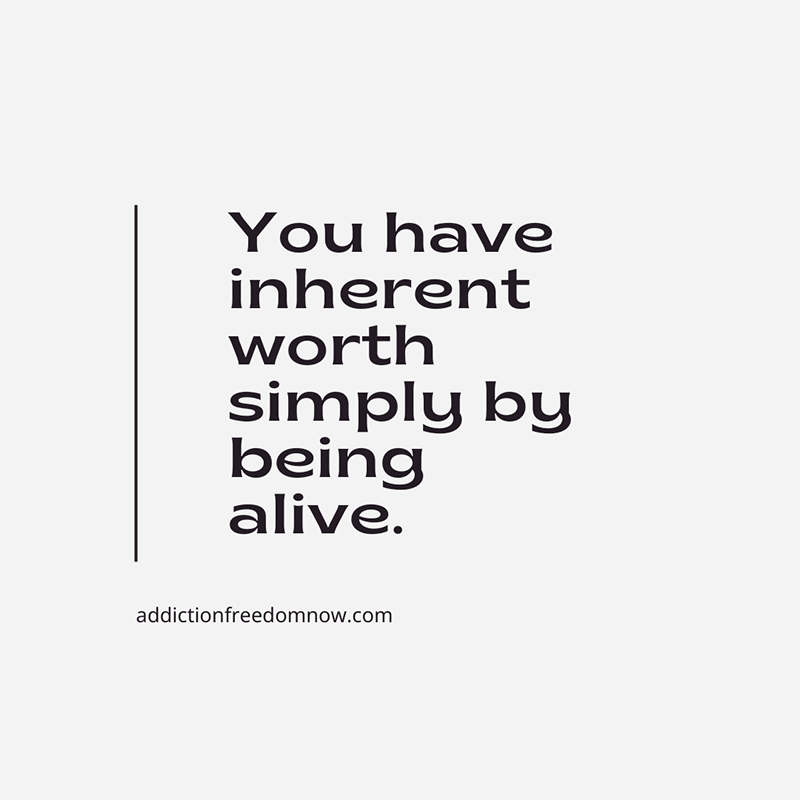
You are not a failure or unworthy because you struggle with your mental or physical health. Pain does not cancel out your value. Struggling does not mean you are broken. It means you are human, and something in you is asking for care.
Recovery is not about proving your worth or earning your place. You mattered before this journey began, you matter in the middle of it, and you will continue to matter regardless of how fast or slow healing unfolds.
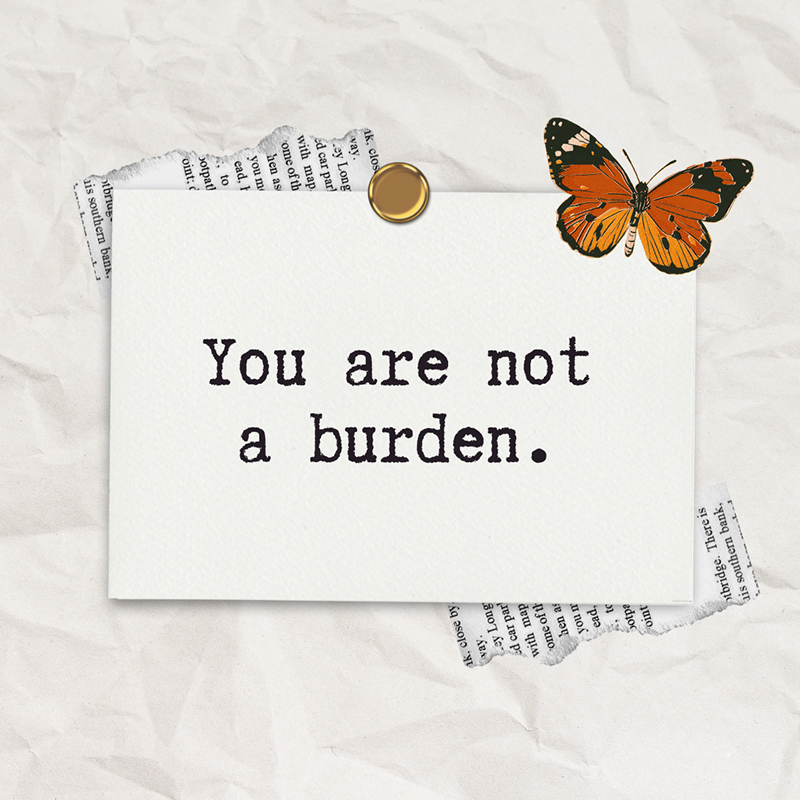
Needing help does not make you too much. Asking for support does not make you weak. You have a right to care, compassion, and community, even on days when you don’t feel strong or capable.
If you’ve been made to feel like your needs are inconvenient or excessive, that is not a reflection of your value. It is often a reflection of systems and spaces that are not built to support healing. You deserve to take up space while you recover.
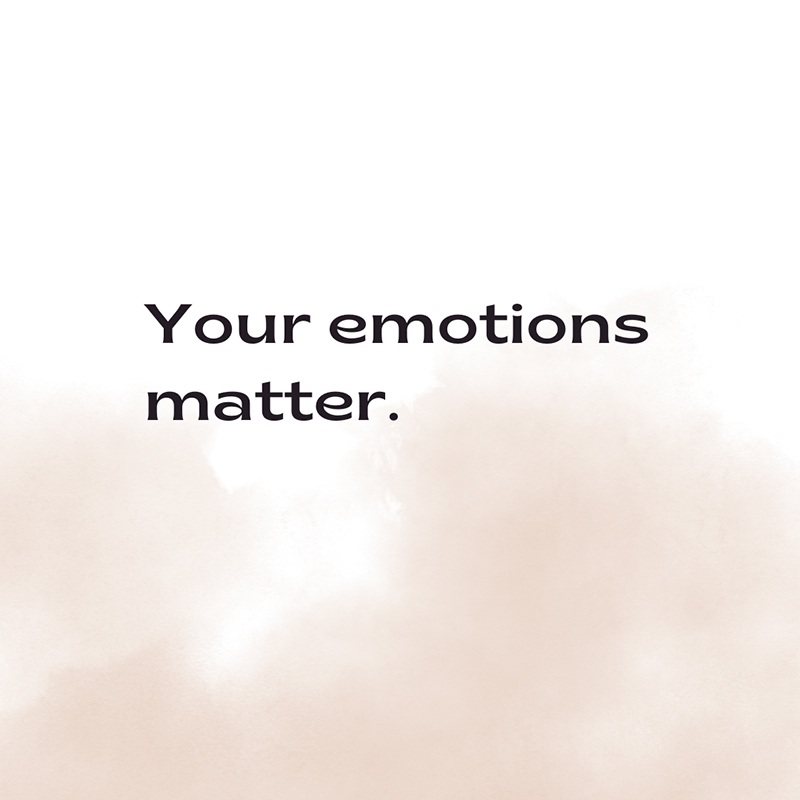
Recovery can bring emotions to the surface that have been numbed, avoided, or buried for a long time. Feelings may feel bigger or harder to manage than expected.
That does not make them wrong. Emotions are information. They tell you when something needs attention, care, or boundaries. You deserve to have your feelings met with respect, not dismissal.
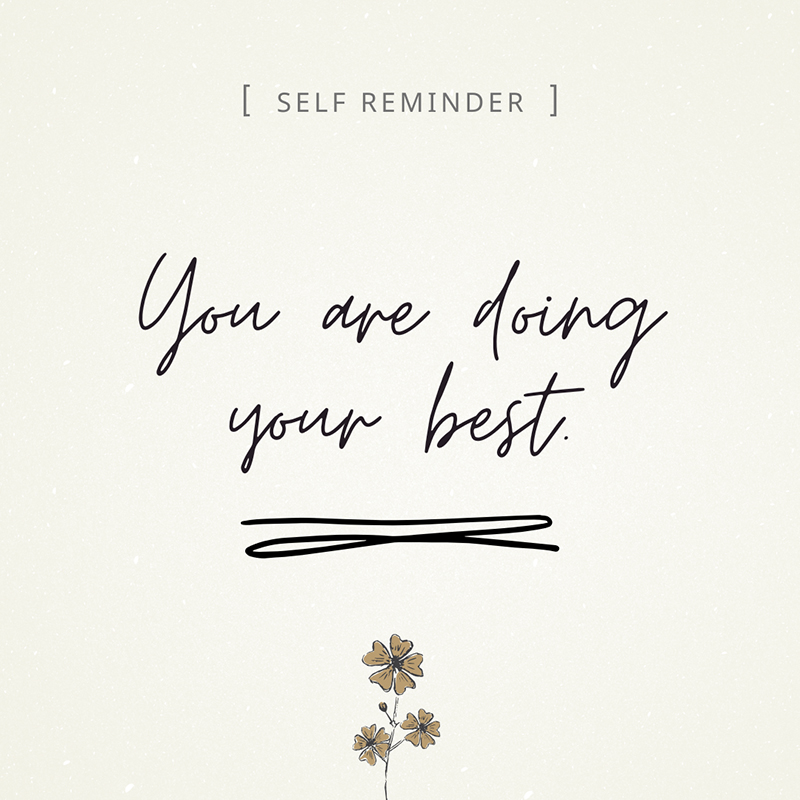
I believe you. Doing your best does not look the same every day. Some days it looks like progress and momentum. Other days it looks like rest, withdrawal, or simply getting through the day without giving up.
You do not need to compare your recovery to anyone else’s or to an imagined version of who you think you should be by now. Who you are in this moment is enough.
Recovery brings change, and even positive change can feel unsettling. Routines shift. Relationships change. Your sense of identity may feel unfamiliar or uncertain.
You are allowed to move slowly. You are allowed to pause, reflect, and adjust as you go. You don’t need to have everything figured out today for your healing to be valid.
More people than you realize are glad you’re here. Even if you don’t feel okay right now, and even if things feel messy or unclear, your presence matters.
You don’t need to be fixed, productive, or perfect to deserve care. Simply being here is enough.
Healing is not a performance. You are not being graded on your progress or your ability to cope.
Offer yourself the same patience, kindness, and understanding you would give to someone you love who is hurting. You are worthy of that compassion, especially now.
Why These Reminders Matter in Recovery
These reminders might seem simple on the surface. In reality, they push back against some of the most harmful messages people in recovery carry with them.
Shame. Comparison. The idea that healing has a deadline. The belief that worth is something you earn by doing recovery “right.”
Many people don’t struggle in recovery because they don’t care or aren’t trying hard enough. They struggle because they’ve learned to be harsh with themselves in a world that already is. They’ve been taught to measure progress instead of honoring effort, to hide pain instead of tending to it, and to believe that needing support is a personal failure.
Recovery asks for something different.
It asks for patience in a culture that rewards speed. Compassion in a world that often withholds it. And permission to be human while learning how to live without numbing or escape.
That’s why these reminders deserve more than a quick read. Each one speaks to a part of recovery that often goes unspoken, but deeply felt.
Inherent Worth Is Not Earned in Recovery
One of the most damaging beliefs people carry into recovery is that their worth depends on how well they’re doing. Days sober. Milestones hit. How calm, productive, or stable they appear to be.
That belief can turn healing into a performance and mistakes into evidence that something is wrong with you.
But recovery is not a transaction. You don’t earn value by suffering quietly or progressing quickly. Your worth is not erased by relapse, setbacks, or slow days. It was never something that could be taken away in the first place.
When recovery is rooted in inherent worth, there is room for honesty. There is room for asking for help. There is room for being exactly where you are without fear of losing your place.
That sense of safety is not a reward. It is a foundation.
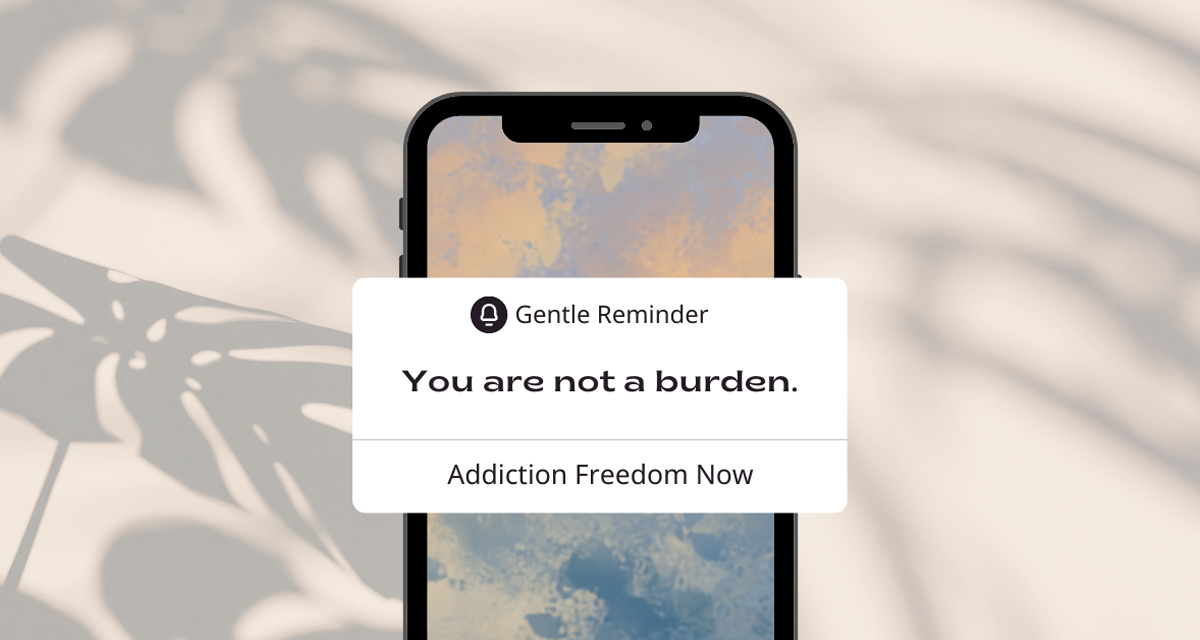
Needing Support Does Not Make You a Burden

Many people in recovery learn to minimize themselves. They stop asking for help. They apologize for their needs. They convince themselves that staying quiet is the safest way to remain accepted.
Often, this comes from years of being told they were too much. Too emotional. Too complicated. Too exhausting.
But needing support is not a character flaw. It is a human one.
Recovery is not meant to be done alone. Our nervous systems heal through connection, consistency, and care. When support feels hard to ask for, it’s usually because you’ve learned that your needs were inconvenient to others.
That does not mean your needs are wrong. It means the environment failed to meet them.
You deserve support that does not come with shame attached.
Big Emotions Are Information, Not Failure
For many people, recovery brings emotions to the surface that have been numbed, avoided, or pushed aside for a long time. Without substances or behaviors to dull them, feelings can arrive all at once and feel overwhelming.
This does not mean you’re doing recovery wrong. It means your system is learning how to feel again.
Emotions are signals. They point to needs, boundaries, grief, fear, or unmet care. When emotions are dismissed or labeled as excessive, people learn to distrust themselves. When emotions are met with curiosity and compassion, healing becomes possible.
You don’t need to justify how you feel to make it valid. Your emotions deserve attention, not judgment.
Doing Your Best Looks Different Every Day
Recovery is often compared, measured, and ranked, even when no one intends for it to be. Progress can quietly turn into pressure.
But doing your best is not a fixed standard. It changes with sleep, stress, health, support, and circumstances. Some days, doing your best looks like growth and momentum. Other days, it looks like rest, distance, or simply choosing not to give up.
Comparing your recovery to someone else’s erases context. It ignores what your nervous system has carried, what you’re unlearning, and what it costs you to show up at all.
You are allowed to honor effort without demanding perfection.
Change Is Hard, Even When It’s Good
Recovery changes more than habits. It can shift identity, routines, relationships, and the way you move through the world. Even positive change can feel destabilizing when what’s familiar, even if it wasn’t healthy, is no longer there.
It’s common to feel grief for old versions of yourself or discomfort in not knowing who you’re becoming yet. That doesn’t mean you want to go backward. It means you’re adjusting to something new.
You are allowed to move slowly. You are allowed to feel unsure. Growth does not require urgency. Healing unfolds at its own pace.
You Belong Here

So many people in recovery feel like they’re taking up space they haven’t earned yet. Like they need to be further along, more stable, or more certain before they’re allowed to belong.
That belief keeps people isolated at the very moment connection would help most.
You don’t need to be fixed to belong. You don’t need to have clarity, confidence, or a perfect recovery story. Your presence matters because you’re here, not because of what you can prove.
Belonging is not something you graduate into. It’s something you deserve from the start.
Be Gentler With Yourself
Recovery often teaches discipline before it teaches compassion. People learn how to push, control, and correct themselves long before they learn how to be kind.
But healing doesn’t happen through punishment. It happens through safety.
The way you speak to yourself matters. Harsh self-talk keeps the nervous system in survival mode. Gentle self-talk creates space for growth, learning, and repair.
Being gentler with yourself does not mean lowering standards or giving up. It means recognizing that you are human and deserving of patience, especially while you’re healing.
Self-compassion is not a luxury in recovery. It’s a necessity.
A Gentle Invitation to Community

Recovery isn’t meant to be carried alone. Even with insight, tools, and reminders, there are days when it helps to be around people who understand without needing explanations.
That’s why we created our private Facebook group. It’s a space for connection, encouragement, and shared understanding around recovery. There’s no pressure to post or participate in any specific way. You’re welcome to listen, read, and engage when and how it feels right for you.
If you’re looking for a supportive recovery community rooted in compassion, honesty, and respect for where you are in your journey, you’re invited to join us.
You don’t have to have it all figured out to belong here.